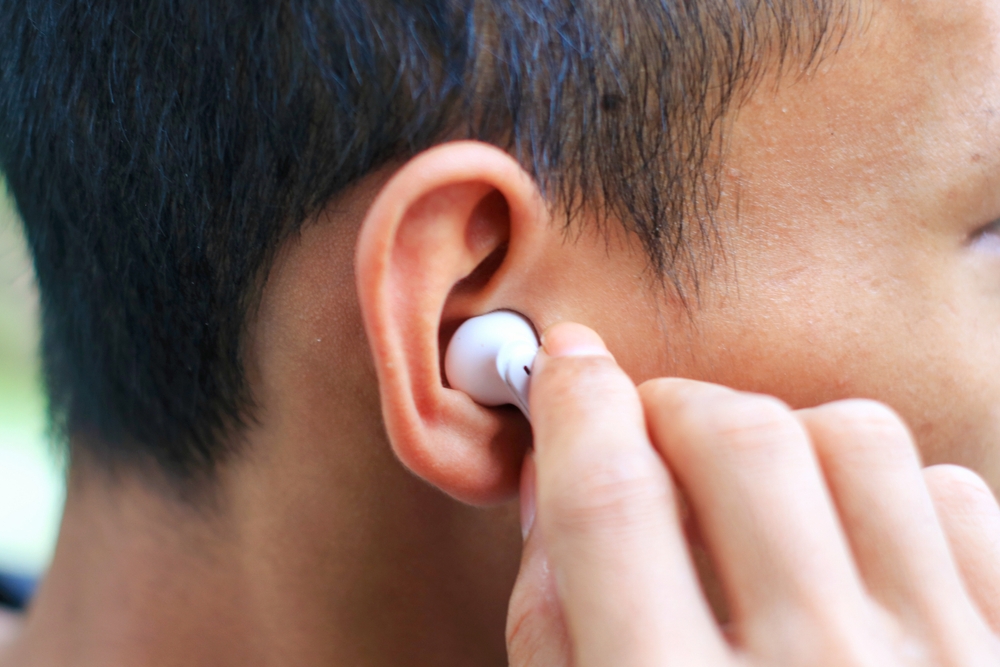
We seldom encounter a teenager or young adult who isn’t currently using a personal audio device. While traditional headphones are more substantial in size, adolescents frequently utilize them to create a private acoustic environment. Musical enjoyment knows no age limit, though the younger generation has integrated it more deeply into their daily transitions. So, can headphones cause hearing loss since they are so close to our ears? Ultimately, hearing health depends on the management of volume and duration rather than the device category.
The Risks of Prolonged High-Decibel Exposure
The psychological impact of music varies, serving to calm the nerves, provide emotional solace, or increase physiological arousal. This subjective experience is dictated by the specific characteristics of the chosen track. Personal audio tech provides a convenient way to consume media without infringing on the silence of those nearby. This is a widely appreciated social habit that helps maintain a respectful atmosphere in shared transport settings.
From an audiological perspective, we must define the specific thresholds for safe volume and exposure duration. It is well-established that loud noise, regardless of the source, can compromise your long-term hearing sensitivity. If you maintain a high volume for a long period, you risk destroying the hair cells in your inner ear. Since hearing shifts occur incrementally, the window for prevention has often closed by the time a patient seeks help.
Identifying the Critical Risks of Personal Audio
Sound pressure level is the primary variable in the development of **NIHL**. Yet, we must remember that the length of time spent listening is equally important as the decibel level.
- The National Institutes of Health advises that sounds under 70 decibels are generally safe for the human ear.
- The rate of auditory trauma increases exponentially as the decibel level rises.
- Implement the 60/60 safety protocol by capping volume at 60% and taking a break every 60 minutes.
- Ensuring long-term hearing health requires a proactive reduction in volume and strict limits on listening time.
Red Flags: When to Suspect Hearing Impairment
If you notice muffled speech, struggle with background noise, experience **tinnitus**, or constantly require others to speak up, a professional evaluation is necessary.
Schedule an appointment with our specialists if you believe your auditory health has been compromised.