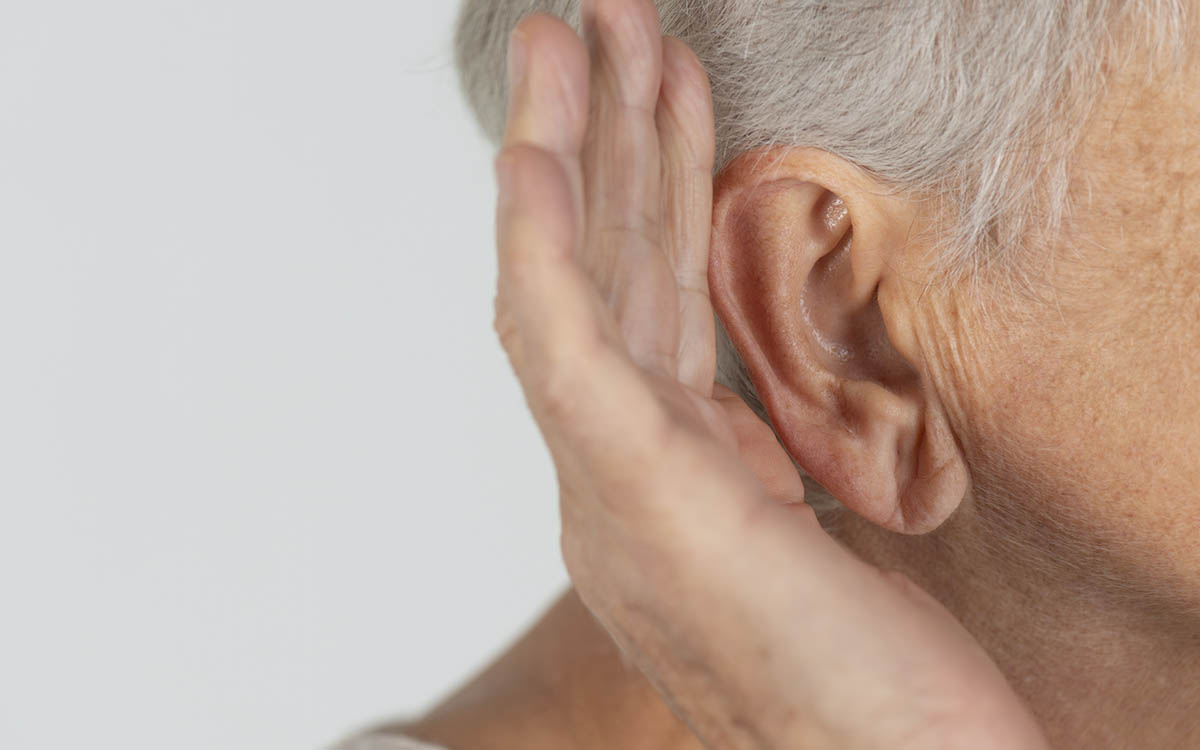
Public perception frequently ties hearing loss with advancing age, yet for a vast number of citizens, ear injury manifests significantly sooner. Noise-induced hearing loss represents a common, preventable auditory pathology, escaping notice until it becomes a permanent condition.
Grasping the longitudinal impact of sound exposure on the auditory system facilitates proactive protection before major hearing loss develops.
The Clinical Mechanisms of Sound-Induced Auditory Trauma
The pathology of noise-induced hearing loss involves trauma to the sensitive anatomical structures within the inner ear. The Centers for Disease Control and Prevention state that, sustained or frequent exposure to sounds exceeding 85 decibels, such as heavy traffic, can initiate auditory damage. Higher intensity sounds, including those generated by machinery, music venues, or firearms, may result in immediate damage.
The inner ear contains microscopic sensory receptors known as hair cells. The function of these cells is to transduce mechanical vibrations into neural impulses for cerebral processing. The inability of hair cells to regenerate after trauma explains why noise-induced hearing loss results in a permanent auditory deficit.
Understanding How Auditory Trauma Builds Through Chronic Exposure
One of the most concerning aspects of noise-induced hearing loss is that it often develops slowly. Initial clinical indicators of sound-induced trauma may involve:
- Short-term episodes of Tinnitus or buzzing within the ears
- Subjective hearing attenuation or muffling after high-decibel events
- Impaired speech discrimination in the presence of background noise
The cessation of these early symptoms often leads to the false perception that the auditory system has fully healed. Despite the lack of symptoms, persistent noise exposure causes cumulative injury to the ear, leading to a progressive decline in hearing resolution.
According to the hearing loss Association of America, nearly 48 million citizens live with hearing loss, often without recognizing the contributing factors.
Identifying Daily Decibel Levels to Ear Health
Modern society is characterized by high ambient noise, which frequently leads to a lack of awareness regarding sound intensity. Due to this, the commonality of injurious sound exposure often goes unrecognized.
Typical noise-generating sources consist of:
- Professional music performances and concert environments
- High-volume output from personal listening equipment
- Motorized landscaping equipment, power machinery, and vehicles
- Industrial workplace environments such as warehouses and construction sites
The everyday occurrence of these sounds allows for progressive damage to develop without obvious warning.
The Reason Auditory Prophylaxis Are Clinically Essential
Unlike other health conditions, noise-induced hearing loss cannot be reversed. Despite its permanence, the condition is significantly preventable. Risk reduction can be achieved through fundamental protective habits, including:
- Utilizing hearing protection devices like earplugs in noisy settings
- Limiting headphone decibels and implementing the 60/60 rule for safe listening
- Scheduled breaks from noise to facilitate ear recovery time
- Scheduling regular hearing evaluations if you’re frequently exposed to loud noise
Indicators to Seek Expert Hearing Care
Should you experience persistent Tinnitus or a decline in conversational understanding, a professional evaluation is indicated. Prompt clinical evaluation is vital for tracking auditory status and formulating effective hearing preservation plans.
Implementing protective measures today safeguards your auditory capacity for the years ahead. Noise may be unavoidable, but hearing loss doesn’t have to be!. We invite you to schedule an appointment with our team to optimize your hearing function.