Sound dampening can be unsettling, often making you feel isolated from the community around you. It is common to presume that muffled sound indicates long-term hearing impairment, but the issue is often just a treatable earwax blockage.
Differentiating between a cerumen blockage and true hearing impairment is vital for determining if you need a simple cleaning or a formal diagnostic exam. Avoid the urge to worry if your hearing feels abruptly reduced. While only an audiologist can confirm the cause, reviewing these key indicators of wax vs. hearing loss can provide immediate insight.
Recognizing the Markers of Earwax Blockage
Earwax is actually a healthy, natural secretion designed to shield the ear canal from particles and external debris. Issues arise when too much wax accumulates or becomes clogged.
Frequent signs of cerumen impaction include:
- A significant reduction in hearing volume
- A sensation of fullness or blockage in the ear
- Ear discomfort or slight pain
- Constant humming or ringing sounds
- Auditory clarity that shifts or improves briefly with chewing
A signature of blockage-based sound changes is imbalance, typically affecting one side more than the other. Thankfully, clearing the blockage typically clears the symptoms instantly.
Recognizing Permanent Impairment Symptoms
Permanent hearing shifts, often triggered by aging or loud environments, are progressive and remain even if the ear is perfectly clear.
Common symptoms of clinical auditory loss include:
- Trouble comprehending speech, especially in noisy settings
- Regularly requiring repetition during normal dialogue
- Adjusting media volumes to a point that people find uncomfortable
- Reduced sensitivity to high-frequency auditory input
- A symmetrical reduction in auditory function in both ears
Unlike earwax buildup, auditory impairment doesn’t typically induce a feeling of obstruction or pressure.
Primary Distinctions Summarized
A few basic signs can help you ascertain whether you are dealing with a manageable blockage or a more lasting shift:
- Timeline: Cerumen muffling can be quick, but permanent loss requires years
- Duration: Wax issues are treatable and temporary, whereas impairment is usually long-term
- Markers: Pressure suggests a blockage; struggling with word precision suggests impairment
- Symmetry: Clogs are frequently unbalanced, but permanent loss is commonly bilateral
Why You Shouldn’t Treat Yourself
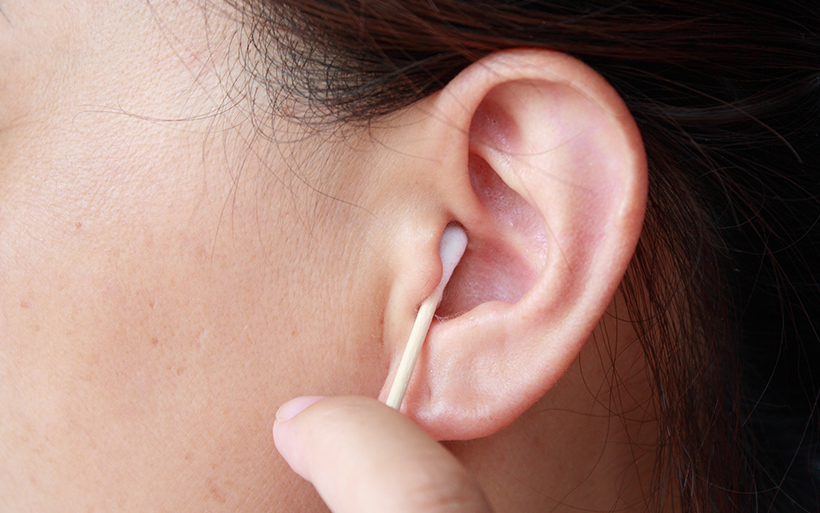
Many people make the error of attempting to clear a perceived blockage themselves using probes or home tools. Using foreign items commonly pushes the obstruction further into the ear, heightening the danger of injury.
Clinical data shows that DIY removal often results in unintended injury or more difficult-to-treat blockages.
Delaying a clinical evaluation for real impairment can result in missing out on solutions that shield your future mental and social well-being.
What to Anticipate During a Formal Appointment
A brief clinical exam is the primary way to verify if wax is truly the source of your muffled hearing.
If an obstruction is identified, a clinician can clear it safely, often restoring your auditory function immediately.
When the ear is clear but auditory input is still muted, a clinical test is necessary to audit your hearing integrity.
Clinicians urge an immediate auditory screening if you find yourself failing to interact or navigate your environment.
Closing Thoughts on Cerumen and Auditory Health
Feeling like auditory signals are dull may not always indicate a permanent loss.
In numerous instances, earwax buildup is the cause, and it’s extremely treatable.
Your hearing care specialists can assist you to find the source of muffled auditory symptoms so you can proceed with assurance and tranquility.
In the end, an expert consultation is the only certain way to distinguish between a fleeting obstruction and a permanent change.
Addressing the concern now halts the stress of the unknown and puts you on the track to improved hearing.
If your auditory sense feels diminished, avoid guesswork. A brief check can provide all the difference, so reach out to our team of clinicians today.