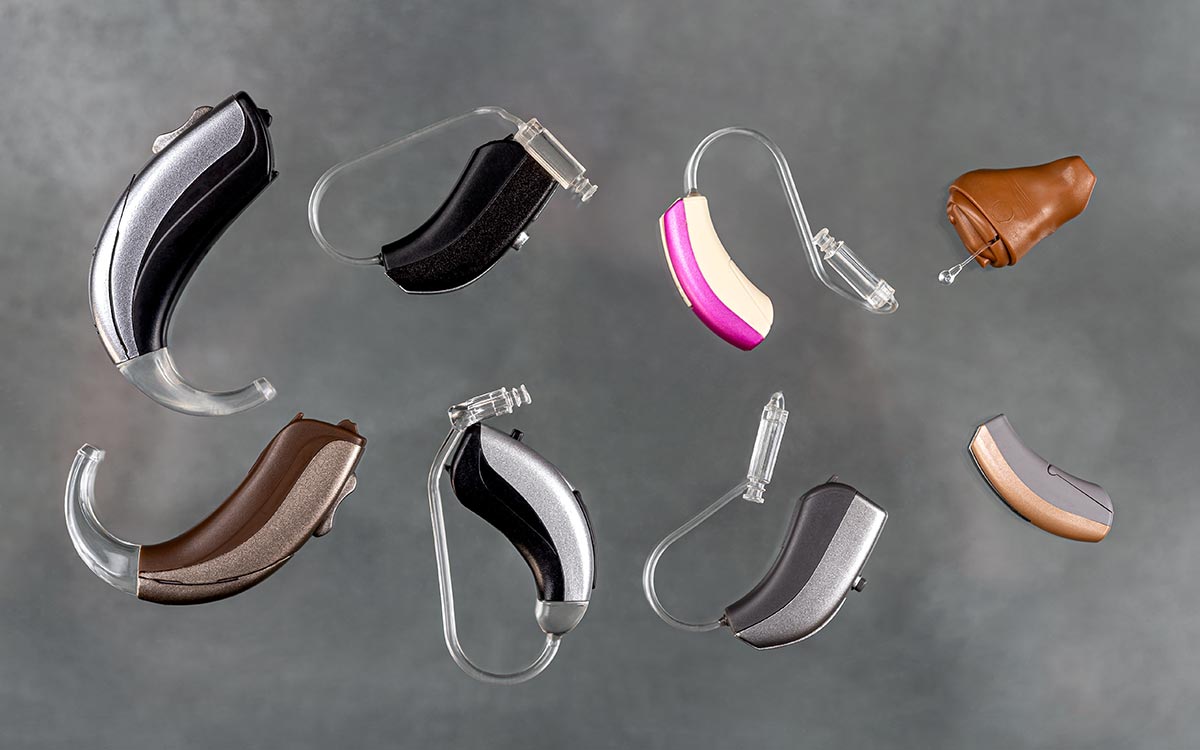
The sheer amount of hearing aid designs and technology levels on the market today can make the selection process feel complicated. Fortunately, there is an ideal hearing solution for every person, regardless of their lifestyle or the severity of their hearing loss. It’s all about learning which model aligns perfectly with your specific requirements.
Feeling certain about your selection begins with knowing how different hearing aids function and compare. Today, we’re breaking down the various hearing aid styles and what makes each one unique.
The ITC (In-the-Canal) Style Explained
Basic Summary:
These hearing aids are placed partially inside the canal, making them visible only slightly from the outside.
Why users choose them:
- More subtle than larger models
- Individualized shaping guarantees long-term wearing comfort
- An effective option for those with moderate hearing needs
ITC devices offer an excellent balance between visibility and functionality, making them an ideal choice for first-time users.
Invisible-in-Canal (IIC) Hearing Aids
The Concept:
IIC models are the most tiny custom-fitted auditory solutions you can choose. This style rests deep in the ear for an entirely covert appearance.
Why individuals choose them:
- Optimal cosmetic discretion
- Microphone depth helps mimic the ear’s natural sound collection
- So light and small that users often forget they are wearing them
IIC devices are primarily targeted at those with moderate hearing needs who want their technology to remain completely unnoticed.
Understanding In-the-Ear (ITE) Units
What they represent:
ITE devices are built to reside in the outer ear area, offering two different shell sizes based on your anatomy. Every device is specifically customized to match your ear’s unique shape.
Value Offering:
- The increased surface area provides space for extra functionality and extended power
- The physical size is easier to hold and adjust for users with fine motor concerns
- An adaptable choice that can address even significant levels of hearing loss
Users regularly choose these units for their straightforward, single-piece construction that avoids any external wiring or tubing.
Behind-the-Ear (BTE) Hearing Aids
Summary:
These devices rest on the outer portion of the ear’s anatomy. Audio is sent through an ultra-fine tube or a personalized mold in the canal.
Key Advantages:
- Very flexible and durable
- Work for almost all degrees of hearing loss
- Big enough to include sophisticated software and modern rechargeable technology
The combination of ease of use and powerful audio makes BTE aids an excellent contender for many patients.
The RIC Style Breakdown
Mechanical Setup:
In a modern model, the speaker is detached from the main casing and placed inside the canal via an ultra-fine wire.
Why people choose them:
- Highly organic sound quality
- Small, feather-light, and comfortable
- Flexible enough to address a broad number of hearing impairments
Thanks to their ease and aesthetic appeal, RIC devices have become an industry standard.
Long-Term “Set and Forget” Devices
Usage Profile:
These unique devices are designed to live in the ear canal for a month or more, managed by your hearing specialist.
User Incentives:
- Zero daily insertion or removal
- They are virtually hard for people to notice because of their depth
- Designed to be worn throughout everyday activities, including sleeping and exercising
Extended-wear devices are ideal for those who want a “set it and forget it” approach.
Bluetooth-Enabled Hearing Aids
What they represent:
Bluetooth-ready hearing aids allow for an electronic bridge between your hearing technology and your smart devices.
Digital Benefits:
- Enjoy immediate audio streaming from your phone or TV right into your ears
- Allows for quick, discreet adjustments to your hearing aids through digital software
- Enhances daily life by making technology engagement seamless and clear
Most contemporary RIC, BTE, and ITC hearing aids currently offer a Bluetooth-enabled version.
Alternative Implantable Solutions
Design Layout:
An operatively implanted device that physically vibrates the middle ear bones to amplify sound.
Who they are for:
- A viable path for patients who are unable to wear standard acoustic devices
- This is a specialized choice for those with chronic ear canal sensitivity.
Candidates for middle-ear implants must undergo an exhaustive evaluation by an expert specialist.
Your Path to Improved Sound
Every hearing aid style provides its own advantages, and the right option depends on your level of tinnitus or hearing loss, comfort preferences, lifestyle, and cosmetic considerations. A hearing professional is your best asset for comparing these options and finding a match for your daily routine.
If you’re prepared to explore the possibilities, schedule a hearing evaluation today. It’s an excellent first step toward better hearing and more confident communication every day.
Sources:
https://www.mayoclinic.org/diseases-conditions/hearing-loss/in-depth/hearing-aids/art-
20044116
https://www.hearinglife.com/hearing-aids/types
https://www.nidcd.nih.gov/health/hearing-aids