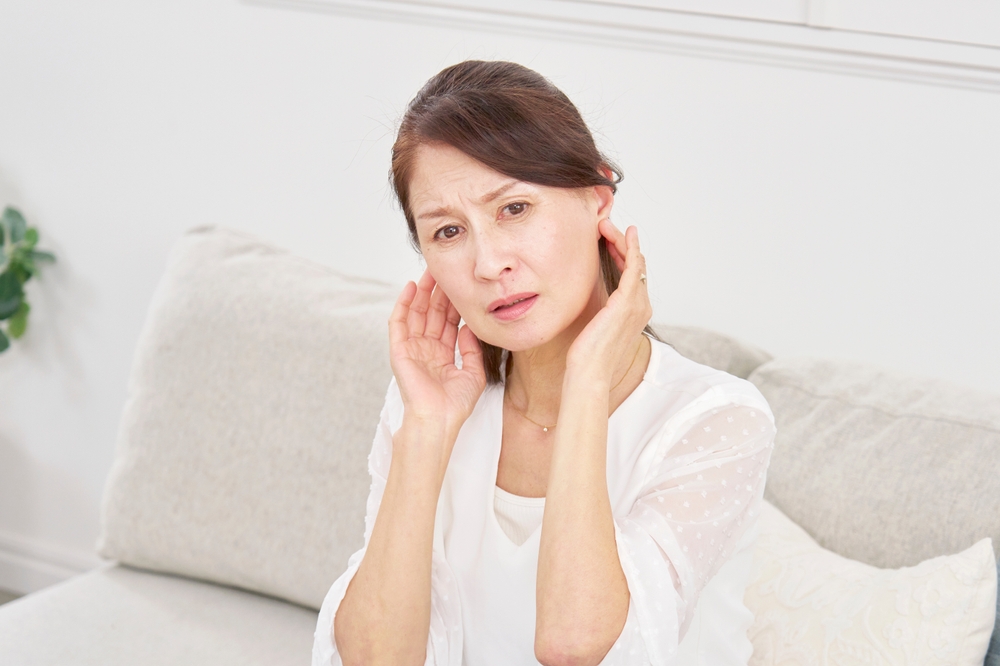
Discovering an abrupt inability to hear after sleep is a deeply alarming scenario. Sudden hearing loss feels abrupt and disorienting, especially when it happens without advanced discomfort or warning. While some causes are temporary and simple to resolve, others demand immediate clinical intervention.
Identifying the frequent catalysts for rapid hearing loss and responding quickly can profoundly impact your recovery path. Throughout this guide, we analyze the nature of sudden hearing loss, its potential origins, and the requirements for professional consultation.
Defining the Parameters of Sudden Hearing Loss
This condition involves a swift loss of hearing ability occurring nearly immediately or over a 72-hour period. The condition frequently impacts a single ear, though bilateral loss is possible in rarer cases. Some people notice muffled sound, while others experience a ringing sensation known as tinnitus, fullness in the ear, or difficulty understanding speech.
Sudden Sensorineural Hearing Loss (SSHL)
SSHL is one of the most critical conditions for an audiologist to investigate quickly.
We define this loss as a failure of the inner ear or the complex nerve systems involved in sound transmission. The source is often idiopathic, though medical professionals identify several likely contributing elements:
- Decreased blood flow within the cochlea
- Swelling or immune response
- Underlying viral triggers affecting the ear
- Central nervous system abnormalities
Because of the fact that timely therapy can restore hearing function, SSHL is always treated as an immediate medical priority.
The Role of Viral Pathogens
Certain viral infections can temporarily or permanently affect hearing by inflaming the inner ear or auditory nerve.
Medical research links the following viruses to rapid changes in hearing acuity:
- Viral cold and nasal infections
- The annual flu virus
- Herpes-based infections
- Post-COVID viral effects
You may notice hearing shifts as a virus resolves, often paired with a sense of instability or pressure.
Head or Ear Trauma
Significant head trauma, sudden pressure fluctuations, or acoustic shocks are known to damage the fragile components of the hearing system.
Physiological damage from injury often stems from:
- Acute head strikes and concussive events
- Abrupt shifts in ear canal pressure
- Sudden blasts of intense noise
- Fluid leaks or shifts inside the labyrinth
Don’t dismiss minor trauma, as rapid hearing changes post-injury often signal underlying damage.
Conductive Blockages: The Role of Earwax
Though cerumen buildup is typically benign, a significant blockage can trigger an immediate shift in auditory clarity.
When wax is the main cause, the hearing change may:
- Occur nearly immediately
- Result in a feeling of obstruction or “stuffiness”
- Be more pronounced on one side
- Resolve once the blockage is safely removed
It is essential to remember that home evaluation is insufficient for determining the true source of sudden deafness. That’s why professional evaluation is critical.
Other Possible Causes of Sudden Hearing Loss
Other variables that can influence a sudden drop in hearing include:
- Secondary reactions to ototoxic medications
- Circulatory system disruptions
- Abnormal immune responses targeting the auditory system
- Small growths on the hearing nerve
A comprehensive hearing evaluation helps rule out these possibilities.
Sudden Hearing Loss: Why Early Treatment Is Key
The most important messages around sudden hearing loss is don’t wait and see.
Seeking a swift clinical assessment allows you to:
- Uncover treatable factors behind the auditory decline
- Increase the likelihood that treatment will restore hearing
- Protect against lasting damage to the hearing nerve
- Reduce long-term communication challenges
Comprehensive hearing tests are the primary tool for categorizing the impairment and establishing a recovery plan.
Criteria for Emergency Audiology Consultation
You should seek prompt medical or audiology care if you experience:
- An abrupt inability to hear properly in either ear
- Hearing changes with dizziness or imbalance
- Buzzing or pressure that appears suddenly
- Auditory decline following a viral infection or physical trauma
Though your hearing may seem to recover slightly, a professional check-up is still vital for a full diagnosis.
Utilizing Diagnostics for Fast Hearing Results
Audiological diagnostics are designed to quickly determine if the loss is:
- Conductive (related to blockage or middle ear issues)
- Nerve-based or related to inner ear dysfunction
- A transient condition or a lasting auditory change
Initiating diagnostics early facilitates more effective clinical choices and improved recovery.
Prioritizing Your Auditory Health and Peace of Mind
It is normal to feel alarmed by sudden deafness, but immediate professional help offers the best chance for success.
Choosing to get evaluated immediately after a change in hearing ensures you are taking the right steps for your future. Our team is ready if you experience sudden hearing loss: Call our care team as soon as possible at our office for the help you need.