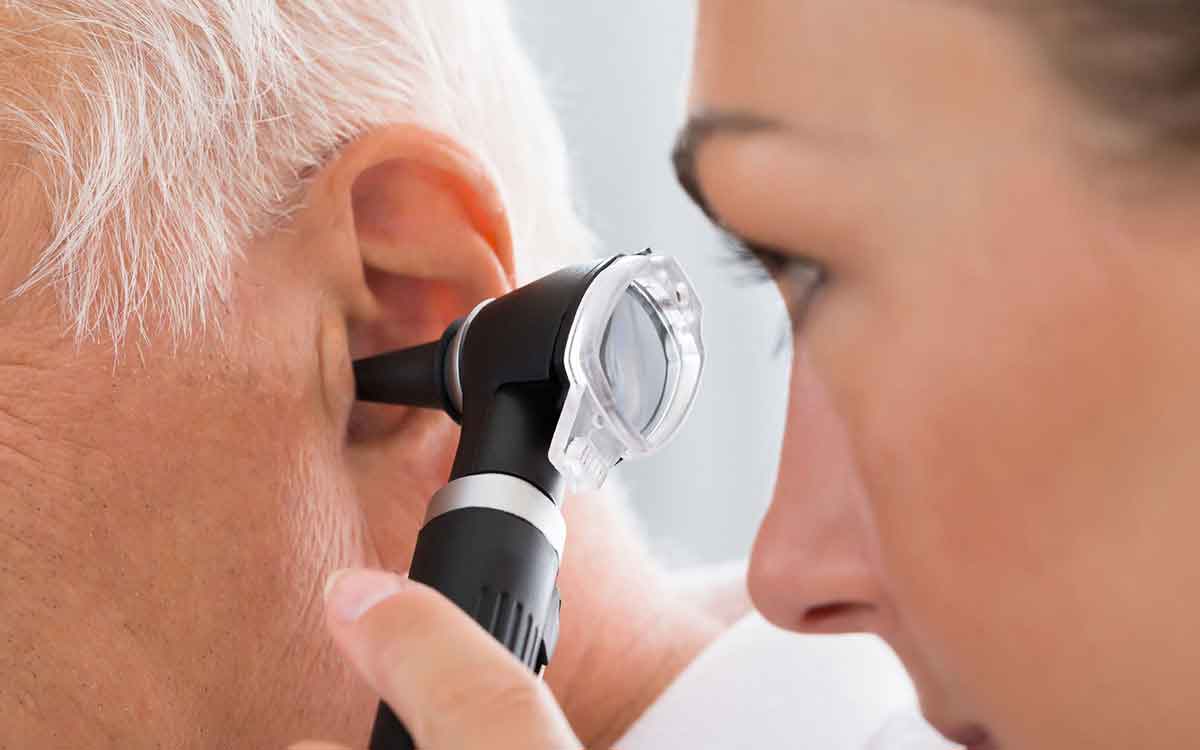
Hearing loss often happens gradually, rendering it difficult to detect during the early stages. Numerous individuals compensate subconsciously by raising the decibels on the television, asking for clarification, or withdrawing from loud settings.
Nevertheless, recognizing the preliminary signs of hearing decline is fundamental for effective intervention.
Common Symptoms of Early Hearing Loss
If you identify any of these early warnings, we suggest arranging a professional hearing assessment to determine your status.
- Difficulty understanding conversations, specifically in crowded settings with a lot of activity.
- Frequently requesting others to repeat themselves.
- Muffled or unclear speech, making it difficult to distinguish specific sounds.
- Turning up the volume on the television and mobile devices to levels that others find excessive.
- Reduced sensitivity to high-pitched stimuli like children’s speech or household alerts.
- The presence of tinnitus, characterized by ringing or buzzing in the ears.
- Cerebral exhaustion following dialogue caused by straining to follow speech.
- Retreating from group interactions since following speech feels taxing.
Initial symptoms of auditory decline may appear in unilateral or bilateral patterns and fluctuate in frequency initially. Because the brain adapts quickly, many people fail to recognize how much they’re compensating until hearing loss becomes more noticeable.
Auditory Health: Current Statistics and Projections
According to the World Health Organization, over 700 million people will require hearing rehabilitation by 2050. Other relevant statistics include:
- By 2050, approximately 2.5 billion people are expected to have various levels of hearing loss.
- Over 5% of the world’s population (430 million people) necessitates support to address disabling hearing loss.
- More than 1 billion younger individuals are at risk of permanent hearing loss due to hazardous acoustic habits.
- Among those aged 60 and older, over 25% suffer from clinically significant hearing loss.
The Value of Early Hearing Loss Detection
Untreated hearing loss may influence your overall health in manners you may not realize.
There is a clear association between ignored hearing loss and social challenges, such as isolation and depression.
Timely management offers superior results and greater treatment flexibility.
A hearing evaluation helps identify whether changes are due to presbycusis-driven hearing loss, noise exposure, earwax buildup, infection, or another medical condition.
In some cases, auditory shifts are temporary and treatable.
In permanent cases, the timely use of hearing protection or devices assists in managing the condition.
Guidelines for Consulting an Audiologist
You should consider arranging a hearing evaluation if:
- Auditory symptoms remain present for more than a few weeks.
- Difficulty hearing starts to impact professional tasks or daily activities.
- If you encounter acute auditory decline, vertigo, or persistent tinnitus (this should be evaluated promptly).
Auditory screenings are painless and noninvasive, additionally they provide critical data into your hearing health.
Reach out to our hearing clinic today if you believe you could benefit from a hearing screening.
Auditory Health FAQ: Initial Symptoms
Question: Does hearing loss only occur with aging?
Answer: Not necessarily. Although presbycusis is prevalent, auditory shifts can stem from noise trauma, ototoxic drugs, or genetic factors.
Question: Is it possible to restore lost hearing?
Answer: Specific causes, including earwax blockage, may be susceptible to reversal through treatment. Other types are permanent but can often be effectively managed with treatment or hearing devices.
Q: At what intervals should I have my hearing evaluated?
A: Adults should have a baseline hearing test by age 50, or earlier if symptoms or risk factors are present.